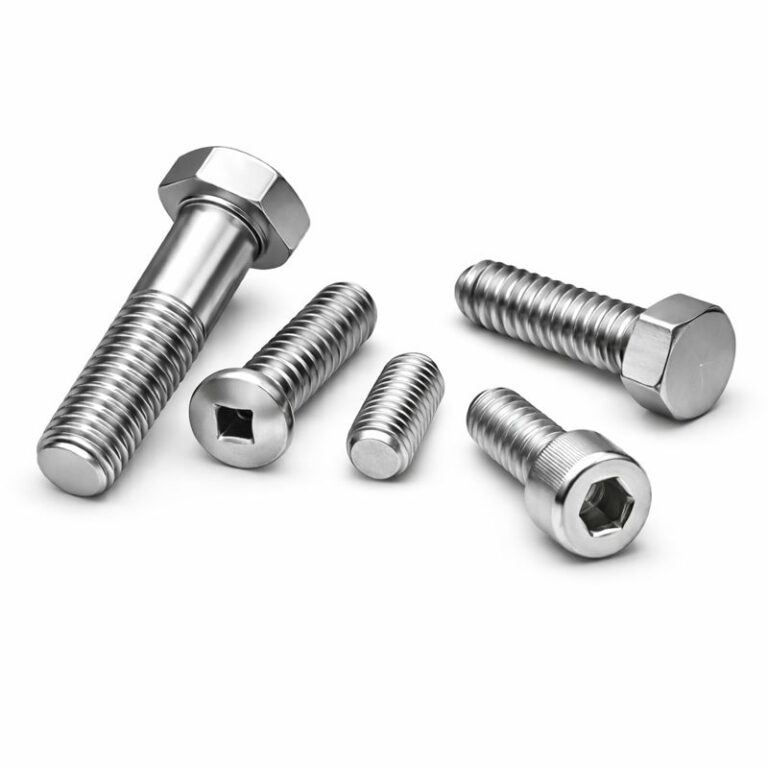
Fasteners are among the most widely used mechanical components across land, sea, and air. While their primary function is often to join parts together, threaded fasteners can also provide adjustment, motion control, and force transmission.
-
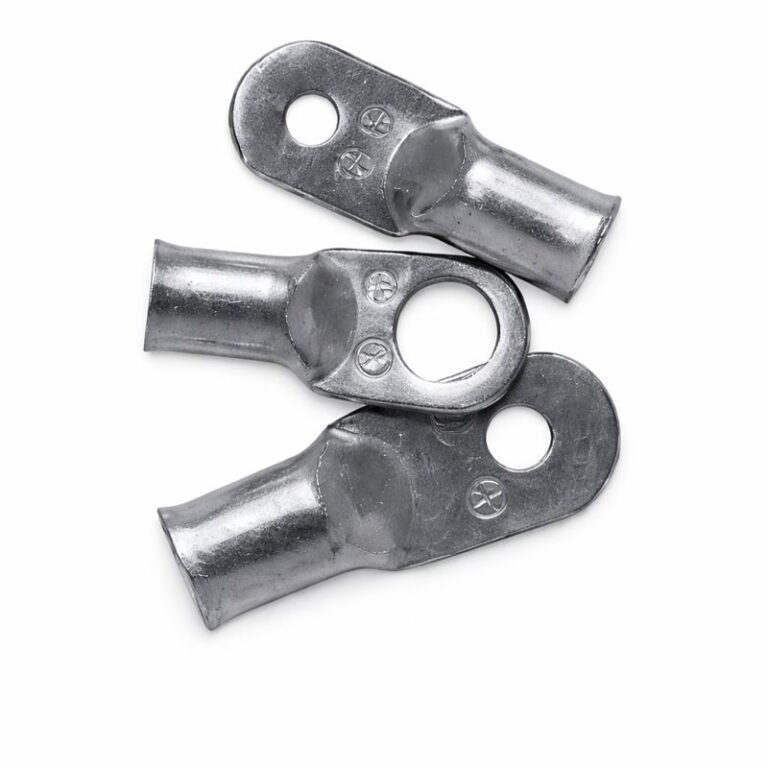
Battery Cable Lugs
Terminals And Connectors


This resource explores how fasteners work, why they are designed the way they are, and how different styles are applied in real-world systems.
The Four Roles of Threads
Threads are one of the most common mechanical features in engineering. While often associated with nuts and bolts, threaded components serve several important functions beyond simply holding parts together.
Understanding the role of threads helps engineers, technicians, and buyers select the right component for the job.
1. Fastening
The most familiar use of threads is fastening two or more components together.
As a threaded fastener is tightened, tension is created in the fastener while clamping force is applied to the joined parts. This allows assemblies to remain secure while still being serviceable when maintenance or replacement is required.
Common Products
2. Force Multiplication
Threads convert rotational force (torque) into linear force.
This mechanical advantage allows relatively small input forces to generate significant clamping or pressing loads. The finer the thread geometry, the greater the potential force multiplication.
This principle is used in devices ranging from simple bolts to jacks, vises, and clamping mechanisms.
Common Products
- Threaded Rod
- Lead Screws
- Clamping Hardware
3. Linear Motion
Threads can be used to convert rotational movement into controlled linear motion.
When a threaded shaft rotates, a mating component travels along its length. This allows precise positioning and adjustment in machinery, tooling, and automation systems.
Common Applications
- Machine Adjustments
- Positioning Systems
- Actuators
- Precision Tooling
4. Adjustment
Many threaded components are designed to allow fine adjustment rather than permanent fastening.
The predictable movement provided by threads makes them ideal for setting clearances, aligning components, controlling tension, and calibrating equipment.
Common Products
- Set Screws
- Adjustment Screws
- Threaded Stops
- Leveling Components
Why It Matters
Whether securing a machine guard, adjusting a fixture, moving a component, or generating clamping force, threads perform far more functions than simply joining parts together. Selecting the right threaded component depends on understanding the role it will play within the system.
Related Products
- Button Head Screws
- Socket Head Cap Screws
- Set Screws
- Threaded Rod
- Nuts and Washers