Fasteners and hardware are fundamental to the construction, assembly, and maintenance of mechanical systems. From securing structural components and mounting equipment to providing alignment, spacing, and controlled movement, these relatively small components can play an important role in the reliability of a larger assembly.
Different applications call for different fastening methods. Load requirements, vibration, environmental exposure, accessibility, corrosion resistance, and ease of maintenance can all influence the choice of hardware.



Shop All Fasteners & Hardware Products →
This resource introduces common fasteners and hardware products and explores how they are used across land, sea, and air.
Pins
Pins are used to align, locate, secure, or connect components while often allowing for disassembly or controlled movement. Different pin designs provide different methods of retention and are selected according to the requirements of the assembly.
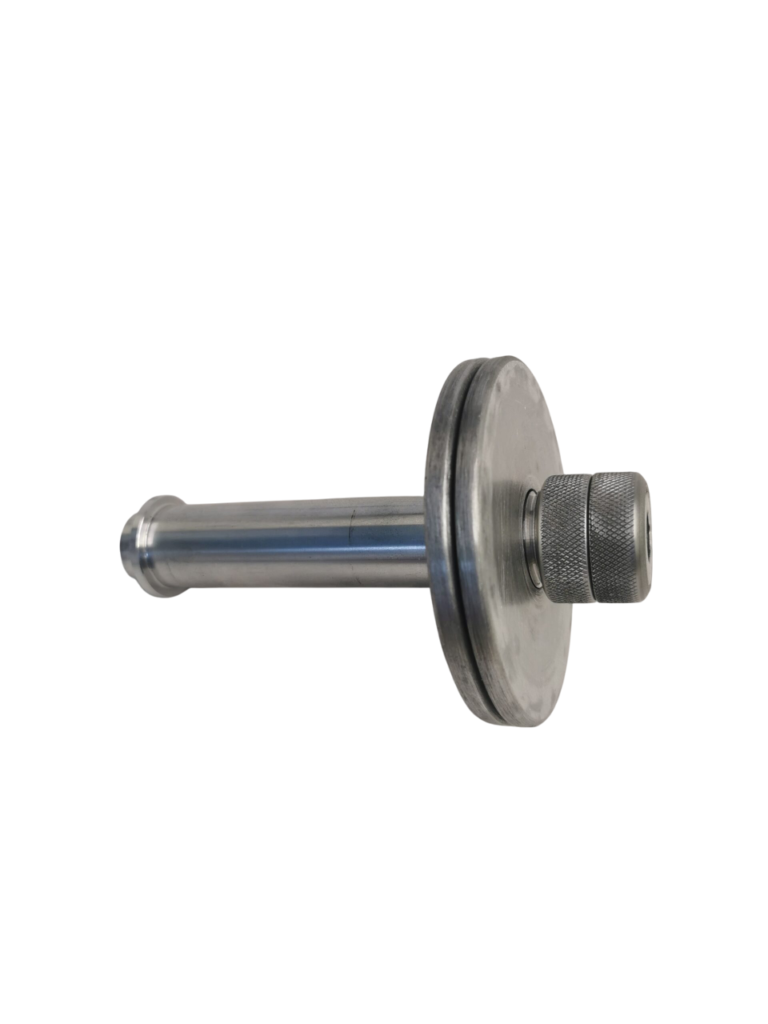
Belaying Pins
Belaying pins are removable pins traditionally used to secure lines and ropes, particularly in marine applications. Their design allows a line to be wrapped around the pin while keeping it securely in place. Common applications include:
Marine Rigging
Used to secure and manage lines aboard boats and other marine vessels.
Line Management
Can provide convenient attachment and securing points for ropes and cords.
Traditional & Specialty Equipment
Belaying pins can also be used in restoration, reproduction, and specialty applications where removable line-fastening points are required.
Dowel Pins
Dowel pins are precision cylindrical pins used primarily for alignment and positioning. They provide a repeatable reference between components and can help maintain accurate alignment when assemblies are repeatedly disassembled and reassembled.
Machine Assembly
Used to accurately position components within machinery and fabricated assemblies.
Fixtures & Tooling
Dowel pins provide repeatable alignment between tooling components, jigs, and fixtures.
Component Alignment
Useful where two mating parts need to return to a consistent position after removal.
Cotter Pins
Cotter pins are simple retaining devices used to secure components such as clevis pins, nuts, and other hardware. Their legs are bent after installation to prevent the pin from working loose.
Mechanical Assemblies
Used to retain pins and other removable components.
Linkages & Moving Components
Commonly used where components need to remain securely retained while still allowing for disassembly.
Automotive & Industrial Equipment
Used in a variety of mechanical joints and retaining applications.
Clevis Pins
Clevis pins are cylindrical pins with a head on one end and a cross-hole for retaining hardware on the other. They provide a simple method of joining components while allowing the connection to pivot or be easily disassembled.
Mechanical Linkages
Used to create pivoting connections between arms, brackets, and other components.
Actuators & Control Systems
Common in mechanisms where controlled movement is required.
Marine & Industrial Equipment
Useful for removable joints that may require periodic inspection or maintenance.
Spacers & Standoffs
Spacers and standoffs maintain a defined distance between components. They can be used to establish clearance, provide structural support, isolate components, or create a consistent mounting position.
Floor Grate Spacers
Floor grate spacers are used to maintain consistent spacing and positioning between grating components and their supporting structure.
Industrial Walkways
Help maintain proper spacing and positioning in grated flooring systems.
Marine & Offshore Structures
Useful where elevated or grated surfaces require controlled spacing and support.
Equipment Platforms
Can help create consistent clearances around industrial equipment and structural assemblies.
Spacer Bushings
Spacer bushings provide a fixed distance between components while also helping position or support hardware passing through an assembly.
Panel & Bracket Mounting
Maintain clearance between panels, brackets, and supporting structures.
Mechanical Assemblies
Provide controlled spacing around bolts, screws, and other fasteners.
Equipment & Enclosures
Useful for mounting components where a defined gap or offset is required.
Structural & Mounting Hardware
Structural and mounting hardware is used to secure equipment and distribute loads between components and supporting structures. Proper hardware selection can help improve stability while reducing localized stresses on the mounted component.
Mounting Blocks
Mounting blocks provide a solid interface for attaching components to a larger structure. They can simplify installation while creating a consistent mounting position.
Equipment Mounting
Used to secure equipment, instruments, brackets, and other components.
Marine & Vehicle Systems
Provide mounting points where equipment must be securely attached to a vessel or vehicle structure.
Industrial Machinery
Can be incorporated into fabricated assemblies to create standardized mounting locations.
Backing Plates
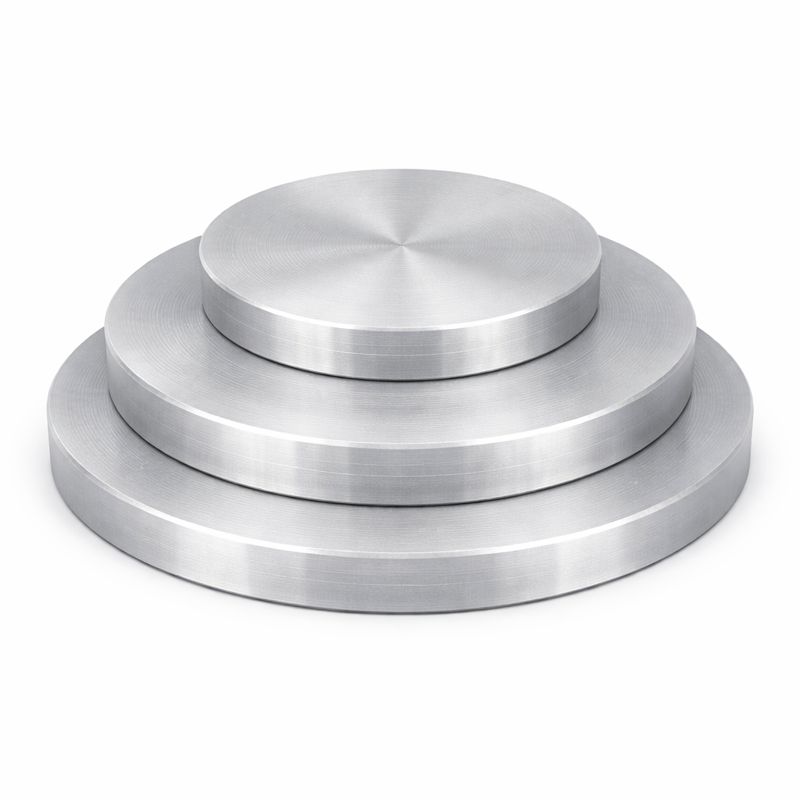
Backing plates distribute the load from a fastener or mounted component across a larger surface area. This can help reduce localized stress and prevent damage to thinner or less rigid mounting surfaces.
Panel Mounting
Help reinforce mounting points on sheet materials and panels.
Marine Hardware
Can distribute loads behind deck-mounted hardware where the supporting material may require reinforcement.
Structural Assemblies
Useful where fastener loads need to be spread across a larger area.
Cushion Clamps
Cushion clamps secure pipes, tubing, cables, and other cylindrical components while providing a protective layer between the clamp and the supported component.
Cable Management
Secure electrical cables while reducing movement and abrasion.
Hydraulic & Pneumatic Lines
Hold tubing and hoses in position and help prevent excessive vibration.
Marine & Automotive Systems
Useful for securing lines and cables in environments where vibration and movement are common.
Shop Structural And Mounting Hardware →
Threaded Fasteners
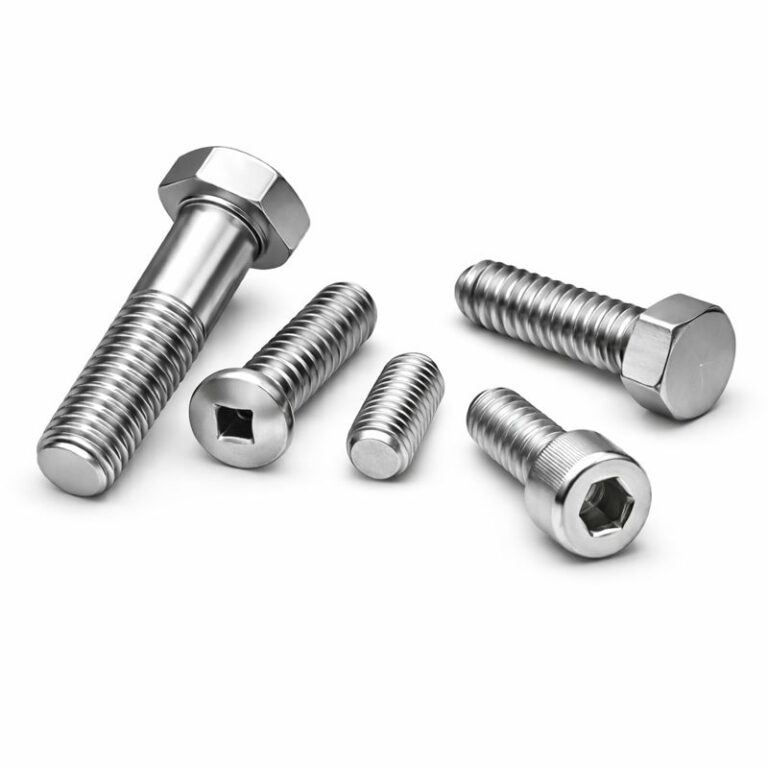
Threaded fasteners are among the most versatile methods of joining mechanical components. Their removable nature makes them particularly useful for assemblies that require maintenance, adjustment, inspection, or eventual replacement.
Bolts & Screws
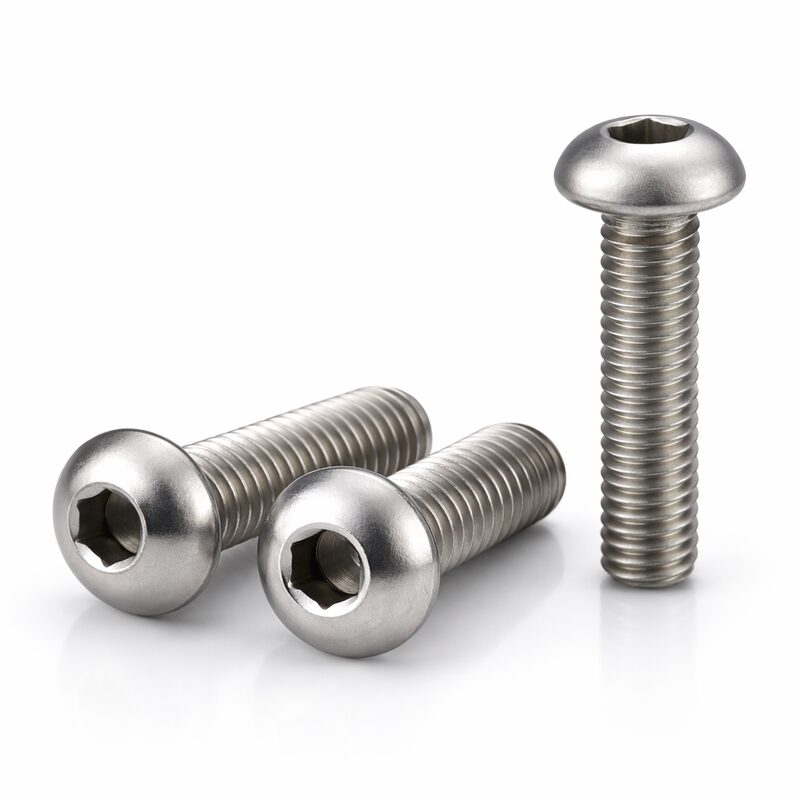
Bolts and screws are used to create removable mechanical joints across virtually every industry. Their size, head style, thread design, and material can be selected according to the requirements of the assembly.
Equipment Assembly
Used to secure machine components, covers, brackets, and structural parts.
Vehicle & Marine Systems
Provide removable connections for components that may require periodic servicing.
Fabrication & Construction
Used throughout metal, wood, composite, and mixed-material assemblies.
Nuts
Nuts provide the threaded mating component for bolts, studs, and other externally threaded hardware. Different nut styles can provide specific advantages for installation, locking, load distribution, or limited-access applications.
Structural Connections
Used with bolts and washers to secure mechanical and structural components.
Equipment Assembly
Provide removable fastening points for machinery and fabricated assemblies.
Maintenance Applications
Allow components to be securely fastened while remaining accessible for future removal.
Studs & Threaded Rods
Studs and threaded rods provide externally threaded attachment points and can be useful where components need to be secured from one or both ends or where a longer threaded connection is required.
Equipment Mounting
Provide fixed threaded attachment points for machinery and components.
Structural Assembly
Threaded rod can be used to create adjustable or through-mounted connections.
Fabrication & Custom Assemblies
Useful when a specific length or configuration is required.
Washers
Washers are placed between fasteners and mating surfaces to distribute loads, protect surfaces, provide spacing, or help prevent fasteners from loosening.
Flat & Fender Washers
Flat washers provide a larger bearing surface beneath a nut or screw head, helping distribute clamping force over the surrounding material. Fender washers have an especially large outside diameter and are useful where load distribution over a broader area is required.
General Fastening
Used beneath nuts and screw heads to distribute load and protect mating surfaces.
Thin Materials
Fender washers can help prevent fasteners from pulling through sheet material or other relatively thin surfaces.
Marine & Outdoor Assemblies
Useful for distributing fastening loads across decks, panels, and other mounting surfaces.
Lock Washers
Lock washers are designed to help resist loosening of threaded fasteners under certain operating conditions. They are available in different configurations depending on the application and fastening system.
Vibration-Prone Equipment
Used in assemblies where vibration may contribute to fastener loosening.
Machinery & Vehicles
Can provide additional retention in mechanical assemblies.
General Maintenance
Used alongside threaded fasteners where additional resistance to loosening is desired.
Wire Rope Terminals
Wire rope terminals provide a means of terminating and connecting wire rope to other components. Swaged terminals are permanently attached to the rope using a controlled crimping process, creating a compact and secure termination.
Wire Rope Swage – Eye Terminal
Eye terminals create a looped attachment point at the end of a wire rope, allowing the rope to be connected to shackles, hooks, bolts, or other hardware.
Rigging & Lifting
Used to create attachment points for wire rope assemblies.
Marine Applications
Useful for cables, rigging, and tensioned systems where a compact eye termination is required.
Guardrails & Safety Systems
Can be incorporated into tensioned cable systems and protective barriers.
Wire Rope Swage – Jaw Fork & Eye Terminal Set
Jaw fork and eye terminal sets provide complementary termination options for assemblies where wire rope must connect between different types of attachment points.
Marine Rigging
Used in tensioned cable and rigging systems.
Structural Cable Assemblies
Provide connection points between wire rope and supporting structures.
Custom Fabrication
Useful where a wire rope assembly requires different terminal configurations at each end.
Wire Rope Swage – Jaw Fork Terminal
Jaw fork terminals provide a fork-style connection for attaching terminated wire rope to compatible hardware or structural attachment points.
Rigging Systems
Used where wire rope needs to connect to a clevis-style attachment point.
Marine & Architectural Cable Systems
Suitable for tensioned cable assemblies where a compact mechanical connection is required.
Custom Cable Assemblies
Can be incorporated into fabricated wire rope systems requiring a fork-style termination.